Sell Products Overseas Without Hiring an In-House Team
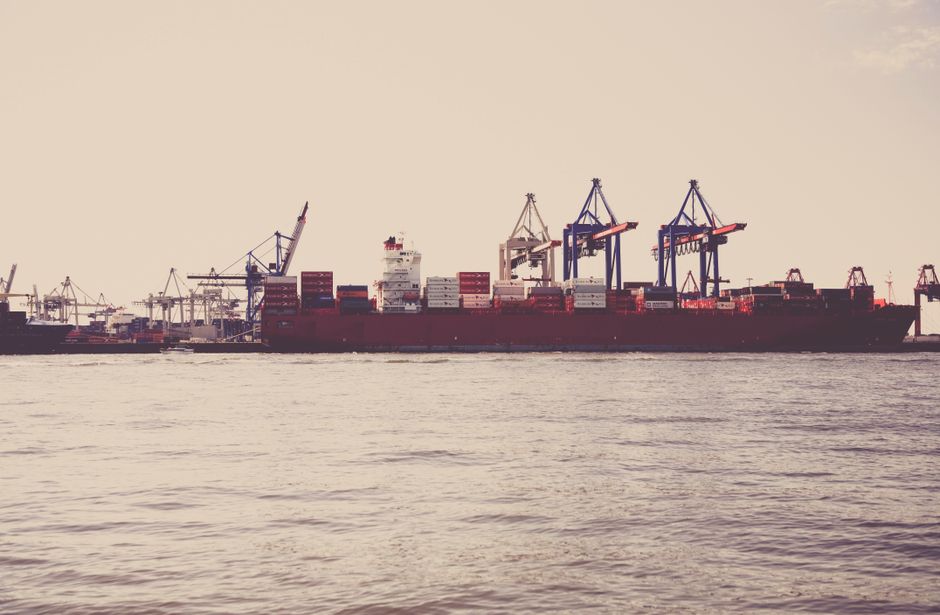
Selling products overseas requires someone to research markets, find buyers, handle compliance, and manage logistics. Most established businesses don't have those people on staff. Hiring an in-house export team means recruiting specialists, training them on your product, and carrying their salaries before the first international sale closes. An outsourced export team does the same work without the overhead.
Who does the work when you decide to export
You can build the capability internally, hire consultants for specific projects, or work with a service that acts as your export department. The internal route works if you have the budget and timeline to hire, train, and retain trade compliance staff, market researchers, and international sales reps. Consultants deliver reports and recommendations but rarely execute the day-to-day work of prospecting distributors or coordinating shipments. An outsourced team takes on both the planning and the execution, functioning as an extension of your business.
OutsourcedExport is one example of this model. They handle market research, distributor development, compliance coordination, and retailer prospecting for businesses that want to start exporting or expand existing international sales. Their involvement scales with your progress: fees step down as your international revenue hits agreed milestones, and over time you own a working export operation instead of depending on outside help indefinitely.
What an outsourced export team actually does
Market research identifies which countries match your product, price point, and distribution model. Distributor development means building a list of potential partners, qualifying them, and managing the conversations that lead to agreements. Compliance coordination covers the regulations, certifications, labeling requirements, and tariff classifications that vary by country. Retailer prospecting connects your product with stores, chains, or online platforms in the target market.
These tasks require specialized knowledge and consistent attention. A business selling domestically may have strong sales and marketing teams, but those teams typically lack the contacts, language skills, and regulatory expertise needed to operate in foreign markets. Outsourcing fills that gap without adding permanent headcount.
When outsourcing makes sense and when it doesn't
Outsourcing works best for established businesses with proven domestic sales and the capacity to fulfill international orders. If your product sells reliably at home, the main barrier to exporting is usually the operational complexity, not the product itself. Outsourcing removes that barrier.
It's less useful if you're still figuring out your core business model, if your margins can't support the cost of international logistics and partnership fees, or if you need complete control over every customer interaction. Some businesses prefer to build export capability in-house from the start, especially if they plan to make international sales a large part of revenue quickly. Outsourcing trades speed and lower upfront cost for a service fee and shared decision-making.
How to evaluate an outsourced export provider
Ask what industries and product categories they've worked with. A provider experienced in food and beverage will understand cold chain logistics and import restrictions on perishables. A provider focused on software or professional services will know how to navigate data privacy rules and cross-border contracting.
Ask how they find buyers and distributors. Some providers rely on databases and cold outreach. Others have established networks in specific regions. Ask for examples of distributor agreements they've helped negotiate and how long it typically takes to close a deal.
Ask how fees are structured. Some providers charge flat monthly retainers. Others use performance-based pricing tied to sales milestones. A sliding-fee model where costs decrease as your international revenue grows aligns the provider's incentives with your success and reduces long-term dependency.
Ask what happens when the engagement ends. If the provider has done its job, you should be left with a functioning export operation: documented processes, active distributor relationships, and a clear path to managing international sales internally or with minimal outside support.
The alternative to outsourcing
If outsourcing doesn't fit, the alternative is building the team yourself. Start by hiring someone with export experience, ideally someone who has worked in your industry and knows the markets you're targeting. Give them a budget for trade shows, travel, and market research tools. Expect the first year to focus on learning and relationship-building, with meaningful sales starting in year two.
You'll also need to decide whether to hire for compliance, logistics, and marketing separately or consolidate those responsibilities. Smaller businesses often start with one person wearing multiple hats, then add specialists as international revenue justifies the cost. The upside is full control and the ability to build institutional knowledge. The downside is time, cost, and the risk of a bad hire setting you back months.
Starting without a full strategy
You don't need a finished export plan to explore whether outsourcing makes sense. Most providers offer an initial assessment or readiness check that evaluates your product, current sales, and capacity to fulfill international orders. That assessment typically covers which markets are viable, what regulatory hurdles exist, and whether your margins can support the costs of exporting.
OutsourcedExport's assessment asks about your industry, revenue range, and international goals. The process is free and takes a few minutes. Other providers offer similar evaluations. Use these assessments to understand what exporting will actually require before committing to any approach.
What happens after the first market
Once you're selling in one country, expanding to others gets easier. You'll have working processes for compliance, logistics, and distributor management. You'll understand how long deals take to close and what support international partners need. The second and third markets move faster because the operational foundation is already in place.
An outsourced team can help you scale by applying what worked in the first market to new regions, adjusting for local differences in regulations, buyer expectations, and competitive dynamics. Alternatively, you can take over the work yourself once the model is proven and the learning curve is behind you.
Selling products overseas is less about having a bold vision and more about having someone who knows how to execute the work. Outsourcing solves the execution problem without forcing you to build a department before you know whether international sales will justify the investment.
Frequently asked questions
How long does it take to make the first international sale with an outsourced team?
It depends on the product, target market, and how quickly distributors move. Most businesses see initial agreements within three to six months, with revenue following once inventory is in place and retail or distribution channels are active.
Do I need to travel to the countries where I want to sell?
Not necessarily. An outsourced team handles most of the on-the-ground work, including meeting buyers and attending trade shows. Some businesses visit key markets once relationships are established, but it's not required to get started.
What if I'm already selling in one country and want to add more?
An outsourced team can add capacity to your existing operation, helping you enter new markets without pulling your current team away from what's already working. The process is faster than starting from scratch because you already understand the basics of exporting.
How much does it cost to work with an outsourced export team?
Pricing varies by provider and service level. Some charge flat monthly retainers, others use performance-based fees tied to sales milestones. A sliding-fee structure, where costs decrease as your revenue grows, reduces long-term expense and dependency.
Can I eventually take over the export work myself?
Yes. A well-structured outsourcing engagement leaves you with documented processes, active distributor relationships, and the knowledge to manage international sales internally. The goal is to build a working operation, not create permanent reliance on outside help.