Export Compliance Regulations: What You Need to Know
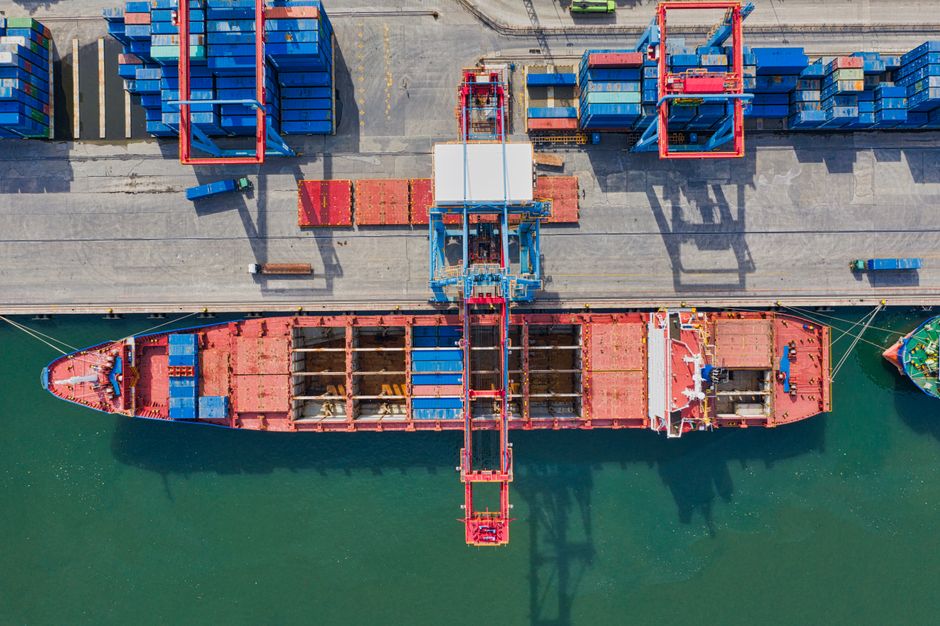
Export compliance regulations control what products can be shipped internationally, to which countries, and under what conditions. Companies that export must follow rules set by multiple government agencies to avoid fines, shipment delays, and criminal liability.
Export Administration Regulations (EAR)
EAR controls most commercial products exported from the United States. The Bureau of Industry and Security (BIS) administers these rules and maintains the Commerce Control List (CCL), which classifies products by category and assigns each an Export Control Classification Number (ECCN). Products with an ECCN may require a license depending on the destination country, end user, and intended use. Items not on the CCL are designated EAR99 and typically do not require a license for most destinations, though some restrictions still apply.
You determine your product's classification by reviewing the CCL categories, which include materials, software, and technology across sectors like electronics, telecommunications, and sensors. Misclassification can result in penalties, so companies often work with compliance specialists or freight forwarders to verify the correct ECCN.
International Traffic in Arms Regulations (ITAR)
ITAR governs the export of defense articles, technical data, and services related to military and defense applications. The Directorate of Defense Trade Controls (DDTC) within the U.S. State Department enforces ITAR. Products covered include firearms, ammunition, military vehicles, certain aircraft, and related technical data.
ITAR compliance requires registration with DDTC if you manufacture, export, or broker defense articles. Violations carry severe penalties, including multi-million-dollar fines and imprisonment. Even sharing technical drawings or specifications with a foreign national can trigger ITAR requirements. Companies in industries like aerospace, defense manufacturing, and certain technology sectors must determine early whether their products fall under ITAR jurisdiction.
OFAC Sanctions and Restricted Parties
The Office of Foreign Assets Control (OFAC) administers economic sanctions programs that prohibit or restrict transactions with certain countries, entities, and individuals. Sanctioned countries currently include North Korea, Iran, Syria, and Cuba, among others, though the list changes as foreign policy evolves.
Before exporting, screen your buyers and end users against the Consolidated Screening List, which combines multiple government watch lists, including the Denied Persons List, Entity List, and Specially Designated Nationals (SDN) List. A match requires you to stop the transaction or apply for a special license. Automated screening tools help companies check names in real time, and repeat screening is necessary because lists update frequently.
Penalties for sanctions violations include asset seizures, loss of export privileges, and criminal prosecution. OFAC enforces strict liability, meaning intent does not matter if a violation occurs.
Customs and Import Regulations in Destination Countries
Each country sets its own import rules, tariffs, labeling requirements, and product standards. Customs authorities verify that shipments comply with local regulations and collect duties based on the Harmonized System (HS) code, a standardized product classification system used worldwide.
Common requirements include certificates of origin, commercial invoices, packing lists, and bills of lading. Some products require additional documentation, such as phytosanitary certificates for agricultural goods, safety certifications for electronics, or ingredient declarations for food and cosmetics.
Labeling regulations vary widely. The European Union requires CE marking for many product categories, while other countries mandate language-specific labels, country-of-origin markings, or warnings. Non-compliance can result in shipments being held at the port, returned, or destroyed.
Working with experienced partners, such as OutsourcedExport, can help navigate country-specific requirements and coordinate compliance across multiple markets.
Product-Specific Regulations
Certain product categories face additional oversight. The Food and Drug Administration (FDA) regulates food, drugs, medical devices, and cosmetics. Exporters of these products must register with the FDA and follow Good Manufacturing Practices (GMP), even for goods destined for foreign markets.
The Environmental Protection Agency (EPA) controls exports of pesticides, chemicals, and hazardous waste under the Toxic Substances Control Act (TSCA) and other statutes. The Federal Communications Commission (FCC) regulates radio frequency devices. The Department of Agriculture (USDA) oversees animal and plant products.
Each agency maintains its own licensing, registration, and documentation requirements. Companies exporting regulated products should identify all applicable agencies early in the process.
Record-Keeping and Reporting Requirements
U.S. export regulations require companies to keep records of all export transactions for five years. Records must include shipping documents, licenses, classification determinations, and correspondence related to compliance decisions. The Electronic Export Information (EEI) filing through the Automated Export System (AES) is mandatory for most shipments valued over $2,500 or requiring a license.
Audit trails should document how you classified products, screened parties, and obtained necessary authorizations. Government agencies conduct audits and can request records at any time. Missing or incomplete records are treated as violations.
Building a Compliance Program
Companies that export regularly benefit from a written compliance program that assigns responsibilities, establishes screening procedures, and trains employees. Key elements include appointing an export compliance officer, conducting internal audits, and implementing corrective actions when issues arise.
Training should cover how to classify products, screen transactions, recognize red flags (such as unusual shipping routes or vague end-use descriptions), and report potential violations. Many violations occur because employees did not know the rules or failed to ask questions when something seemed unusual.
Voluntary self-disclosure of violations to the appropriate agency can reduce penalties. Agencies consider the quality of a company's compliance program when determining fines and sanctions.
Penalties for Non-Compliance
Violations of export regulations result in civil and criminal penalties. Civil fines can reach hundreds of thousands of dollars per violation. Criminal penalties include imprisonment for individuals and debarment for companies, which prohibits them from exporting entirely.
Beyond government penalties, non-compliance disrupts supply chains, damages customer relationships, and harms reputation. Shipments held at customs create delays, and buyers may cancel orders or refuse future business.
The cost of compliance is lower than the cost of violations. Investing in proper classification, screening, and documentation protects both the business and its ability to operate internationally.
Frequently asked questions
Do I need an export license for every international shipment?
No. Most commercial products classified as EAR99 do not require a license for shipments to non-sanctioned countries. However, you must still classify your product, screen the buyer, and follow destination country import rules.
How do I find out if my product is controlled under ITAR?
Review the U.S. Munitions List (USML) on the DDTC website. If your product has military applications or appears on the USML, it likely falls under ITAR. Consult a trade compliance attorney if you are uncertain.
What is the Harmonized System code and why does it matter?
The HS code is a six to ten-digit number that classifies products for customs purposes worldwide. It determines the tariff rate, import restrictions, and documentation requirements in the destination country.
Can I be penalized for a violation my freight forwarder made?
Yes. The exporter of record is responsible for compliance, even if a third party handles logistics. Choose experienced partners and verify that they follow proper procedures.
How often should I screen buyers against restricted party lists?
Screen every new customer before the first transaction and periodically thereafter, especially for ongoing relationships. The lists update frequently, so a buyer who was clear last month may be sanctioned today.