What's the First Step to Exporting My Products?
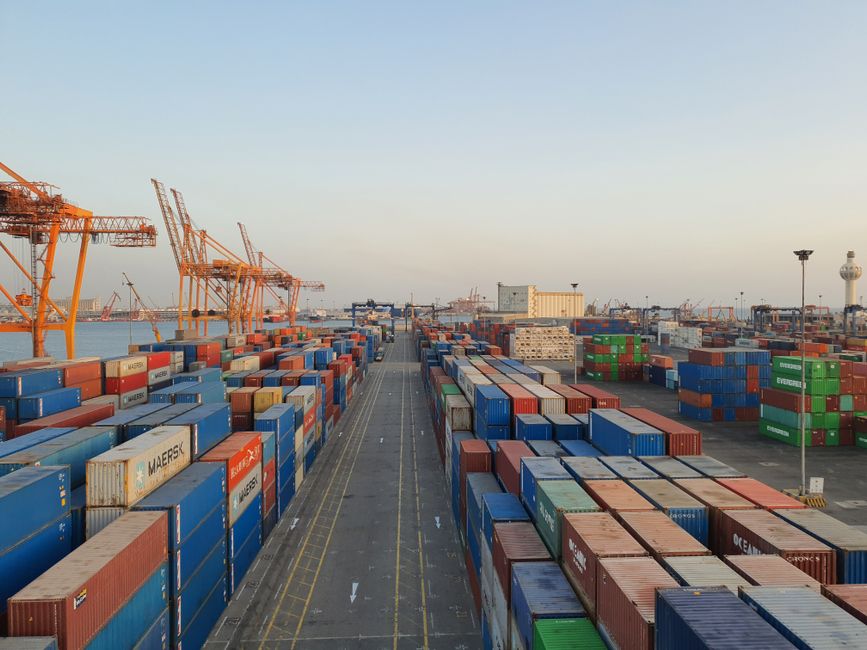
The first step to exporting your products is assessing whether your business is ready to sell internationally. Before you research markets or contact distributors, you need to know if your operations, finances, and product can support international sales. This readiness check determines what you need to fix, build, or prepare before you commit time and money to export activities.
What Export Readiness Actually Means
Export readiness is not about being perfect. It means your business can handle the practical demands of selling abroad without breaking what already works domestically. A ready business has enough production capacity to fill international orders, enough cash flow to cover longer payment cycles, and a product that can legally enter other countries. If any of those three elements is missing, international sales will create problems faster than revenue.
Readiness also means knowing who will do the work. Exporting requires research, compliance checks, distributor outreach, shipping coordination, and ongoing communication across time zones. Some companies handle this internally. Others work with an export partner like OutsourcedExport.com, which acts as an outsourced export team and manages market research, buyer development, and compliance coordination for businesses that lack in-house international staff.
The Five Areas to Evaluate Before You Export
Start by reviewing these five areas. Each one affects whether exporting will succeed or stall.
Production capacity. Can you produce enough to meet domestic demand and fill international orders? Export orders often come in larger quantities than domestic retail orders, and lead times are longer. If your production schedule is already tight, adding export volume will delay domestic shipments or force you to turn down international buyers.
Financial stability. International sales involve longer payment terms, currency exchange costs, and upfront expenses for samples, certifications, and shipping. Distributors in other countries typically pay 30 to 90 days after receiving goods. You need enough working capital to cover production and shipping costs while waiting for payment.
Product compliance. Every country has regulations for imported products. Food and beverage companies face labeling rules, ingredient restrictions, and safety certifications. Consumer goods must meet electrical standards, chemical limits, or packaging requirements depending on the category. If your product does not meet the importing country's standards, it will be rejected at customs or pulled from shelves after arrival.
Pricing structure. Your domestic pricing may not work internationally. Export pricing must cover shipping, tariffs, distributor margins, currency fluctuation, and retailer markups while staying competitive in the target market. Calculate your landed cost (the total cost to get the product to a customer abroad) before you quote prices to international buyers.
Internal resources. Someone has to do the work. Exporting requires research, relationship building, paperwork, and follow-up. If no one on your team has time to manage these tasks, international sales will move slowly or stop. Companies without internal capacity often use an outsourced export team to handle the operational work while the business focuses on production and domestic growth.
How to Conduct Your Own Readiness Check
Answer these questions honestly. If the answer to any question is no, that area needs attention before you start exporting.
- Can you fulfill an order 50 percent larger than your average domestic order without delaying other customers?
- Do you have at least three months of operating expenses in reserve to cover the gap between shipping products and receiving payment?
- Do you know which regulations apply to your product in the countries you want to enter?
- Can you price your product competitively in another market after accounting for shipping, tariffs, and distributor margins?
- Does someone on your team have at least 10 hours per week to dedicate to export activities?
If you answered no to one or two questions, you can address those gaps and move forward. If you answered no to three or more, you need to strengthen your operations before pursuing international sales.
What Happens After the Readiness Check
Once you confirm your business can handle exporting, the next steps are market research and buyer development. Market research identifies which countries have demand for your product, manageable competition, and regulations you can meet. Buyer development means finding and qualifying distributors, retailers, or other partners who will sell your product in those markets.
These steps require specific knowledge and consistent effort. Some businesses build an in-house export team. Others work with a partner that provides market research, distributor development, and compliance coordination as part of an outsourced export solution. The right approach depends on your resources, timeline, and how much control you want over the process.
Common Mistakes When Starting to Export
Many businesses skip the readiness check and jump straight to contacting distributors or exhibiting at trade shows. This creates three predictable problems.
First, they attract interest from buyers but cannot fulfill orders because production capacity or cash flow is too tight. The opportunity disappears, and the buyer moves to a competitor.
Second, they ship products that do not meet the importing country's regulations. Customs rejects the shipment, the buyer cancels the relationship, and the business loses money on products it cannot sell.
Third, they underestimate the time required to manage international sales. Export activities pile up, responses to distributors slow down, and momentum stops. The business ends up with a few small international accounts that require more work than they generate in profit.
A readiness check prevents all three problems. It shows you what to fix before you start, so you enter new markets with a plan that works instead of a plan that sounds good.
When to Get Help with Export Readiness
If your readiness check reveals gaps you cannot close quickly, or if you want an outside perspective on whether your business is ready, talk to someone with export experience. Trade associations, export development agencies, and private export consultants can review your operations and recommend next steps.
Businesses that want hands-on support often work with a service that provides an outsourced export team. OutsourcedExport offers a free export readiness assessment and matches its involvement to where a business is in the process, whether that means setting up the foundations for a first export or adding capacity to an existing international operation.
The first step is not glamorous, but it is the one that determines whether everything that follows will work. Assess readiness, address the gaps, and then move forward with a plan your business can actually execute.
Frequently asked questions
How long does it take to complete an export readiness assessment?
A basic self-assessment takes one to two hours. A formal assessment with an export consultant or service provider usually involves a questionnaire and a follow-up conversation, completed within a week.
Can I start exporting if I'm not fully ready?
You can, but you risk losing money, damaging buyer relationships, or creating compliance problems. It is better to address critical gaps in production capacity, cash flow, or compliance before you commit to international orders.
What is the most common reason businesses fail at exporting?
Underestimating the time and resources required. Many businesses assume exporting works like domestic sales, but it requires consistent effort for research, compliance, and relationship building that most teams cannot sustain without dedicated staff or outside help.
Do I need to hire an export manager before I start selling internationally?
Not necessarily. Some businesses hire internally, others assign the work to an existing team member, and others use an outsourced export team to handle the operational work without adding permanent staff.
What happens if my product does not meet another country's regulations?
Customs will reject the shipment, or the product will be pulled from shelves if the issue is discovered later. You lose the cost of production, shipping, and the relationship with the buyer. Compliance checks before shipping prevent this.