International Sales Management: A Practical Guide
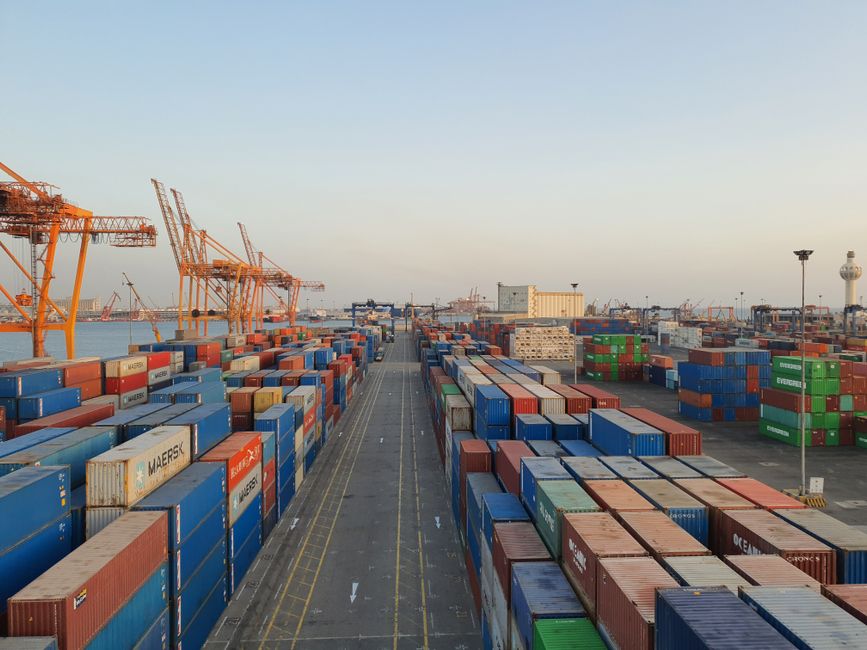
International sales management means organizing how your company finds buyers, moves products across borders, stays compliant with regulations, and builds relationships in foreign markets. The work includes choosing which countries to enter, finding and managing distributors or retailers, coordinating logistics and payments, and deciding whether to handle it in-house or work with partners.
Managing sales across multiple countries requires different skills than domestic operations. Currency fluctuations, language barriers, time zones, local business customs, and varying legal requirements all add complexity. The companies that succeed treat international sales as a distinct function with its own processes, not an add-on to the domestic team.
Choosing and prioritizing target markets
Market selection determines where you focus resources. Start by identifying countries where demand exists for your product category, where competitors are already active, and where your price point fits local purchasing power. Look at import data, trade associations, and industry reports to confirm actual market size rather than assumptions.
Prioritize based on a combination of market size, ease of entry, and strategic fit. A smaller market with fewer regulatory barriers and existing distribution channels often delivers faster results than a large market requiring years of groundwork. Market research for international expansion helps narrow the list to two or three countries where you can build momentum before spreading resources too thin.
Once you select markets, assign clear ownership. Each market needs someone responsible for results, whether that person sits in-house, works as a contractor, or comes from a partner like OutsourcedExport, which acts as an outsourced export team for businesses without internal international staff.
Finding and managing distributors
Distributors provide local market access, warehousing, and customer relationships you would otherwise build from scratch. Finding qualified distributors means more than collecting names from trade directories. You need distributors with the right customer base, adequate financial stability, and genuine interest in your product category.
Start by defining what you need: geographic coverage, customer segments, minimum sales targets, and marketing support. Then source candidates through trade shows, industry associations, in-market visits, and referrals from freight forwarders or trade promotion agencies. Vet each candidate by asking for customer references, reviewing their product portfolio for conflicts or poor fits, and confirming their financial health and warehouse capacity.
Managing distributor relationships requires regular communication, clear performance metrics, and joint business planning. Set quarterly sales targets, agree on marketing activities, and establish how disputes will be resolved. Weak distributors drain time without delivering results. Strong ones become partners who provide market feedback, handle customer service, and help you adapt products to local preferences.
Structuring your international sales team
Team structure depends on sales volume, number of markets, and complexity. Early-stage exporters often start with one person managing all markets, supported by logistics and finance staff who handle documentation and payments. As sales grow, you can assign regional managers, each responsible for a group of countries with similar characteristics.
Key roles include market development (finding and qualifying buyers), account management (supporting existing customers and distributors), operations (managing orders, shipping, and compliance), and strategy (choosing markets, setting pricing, and planning market entry). Smaller companies combine roles. Larger ones separate them to build specialized expertise.
The choice between in-house staff and outsourced support depends on sales volume and how central international growth is to your strategy. Hiring an experienced export manager costs $80,000 to $150,000 annually plus benefits. Outsourcing to a firm that provides market research, distributor development, and sales support offers flexibility without the fixed cost, especially useful when testing new markets or scaling quickly. OutsourcedExport uses a sliding-fee model where involvement decreases as your international sales reach agreed milestones, eventually handing over a working operation.
Managing compliance and documentation
Compliance covers export licenses, product certifications, labeling requirements, tariffs, and restricted party screening. Each country sets its own rules. Mistakes delay shipments, trigger fines, or block market entry entirely.
Start by determining your product's export classification code, which dictates licensing requirements and tariffs. Then research destination-country rules: safety certifications, ingredient restrictions, labeling languages, and import permits. Work with a customs broker or freight forwarder who knows the regulations and can prepare commercial invoices, certificates of origin, and packing lists correctly.
Export compliance regulations vary by product category. Food and beverages face ingredient and labeling rules. Electronics need safety certifications. Industrial equipment may require end-use documentation. Build a compliance checklist for each market and update it when regulations change. Assign one person to own compliance and coordinate with freight forwarders, distributors, and legal advisors.
Setting pricing and payment terms
International pricing must cover additional costs: freight, insurance, tariffs, distributor margins, and currency risk. Start with your domestic price, add logistics and duty costs, then work backward from the target retail price to confirm your distributor margin and your own profitability.
Payment terms balance risk and competitiveness. Letters of credit protect against non-payment but add bank fees and delay cash flow. Open account terms (net 30 or net 60) are common with established distributors but expose you to credit risk. Many exporters use a combination: letters of credit for new customers, open account terms once trust is established, and trade credit insurance to mitigate risk on larger orders.
Currency fluctuations affect profitability. Pricing in your home currency shifts risk to the buyer but makes you less competitive. Pricing in local currency requires hedging strategies or wider margins to absorb exchange rate swings. Review pricing quarterly and adjust when currency moves exceed 5 to 10 percent or when competitor pricing shifts.
Building market entry strategies
Market entry strategy defines how you reach customers: direct sales, distributors, online channels, retail partnerships, or joint ventures. The right approach depends on product type, target customer, and how much control you need over branding and customer experience.
Distributor partnerships work well for products requiring local inventory, service networks, or regulatory expertise. Direct-to-consumer models suit lightweight products with strong brand recognition and digital marketing capabilities. Retail partnerships provide shelf space and credibility but demand volume, marketing support, and sometimes exclusive arrangements.
Five export market entry strategies include starting with e-commerce to test demand before committing to distributors, attending trade shows to meet buyers face-to-face, partnering with local agents who earn commission without holding inventory, licensing your brand to local manufacturers, and setting up your own subsidiary for full control. Each strategy involves different costs, timelines, and risk levels. Most companies start with lower-risk approaches and increase investment as sales prove the market.
Scaling operations across multiple markets
Scaling means adding markets, customers, and revenue without proportionally increasing costs or complexity. This requires systems: a CRM to track distributor performance, inventory management to avoid stockouts or overstock, and financial dashboards to monitor profitability by market.
Standardize processes wherever possible. Use the same distributor agreement template, onboarding checklist, and performance review format across markets. Automate routine tasks like order confirmation, shipment tracking, and monthly sales reporting. Centralize functions that do not need to be local, such as customer support for distributors, marketing asset creation, and compliance documentation.
Add markets in clusters with similar characteristics: same language, adjacent geographies, or comparable regulations. Entering three Southeast Asian markets together costs less than entering them one by one because you can share market research, adapt materials once, and negotiate better freight rates. Focus on profitability per market, not just total revenue. A market generating $500,000 in sales but requiring $600,000 in support costs drags down the entire operation.
Common mistakes in international sales management
Entering too many markets at once. Spreading resources across five or six countries before proving success in one or two leads to weak performance everywhere. Focus on two to three priority markets, build momentum, then expand.
Choosing markets based on size alone. Large markets often have entrenched competitors, high entry costs, and complex regulations. Smaller markets with less competition and simpler logistics can deliver faster results and fund expansion into larger markets later.
Underestimating the cost of international sales. Freight, tariffs, compliance, travel, and distributor margins add up quickly. Many exporters price based on domestic costs and lose money once they account for the full landed cost. Build a detailed cost model before setting prices.
Neglecting distributor relationships. Signing a distributor agreement and waiting for orders rarely works. Distributors need training, marketing support, regular communication, and clear expectations. Treat them as partners who need your active involvement to succeed.
Ignoring compliance until a problem occurs. Shipments held at customs, fines for mislabeling, or revoked import licenses cost money and damage relationships. Invest in compliance upfront by researching regulations, working with experienced freight forwarders, and maintaining accurate documentation.
Failing to adapt products or messaging. Assuming your domestic product and marketing will work everywhere ignores local preferences, language, and cultural differences. Small adaptations to packaging, formulation, or positioning often make the difference between acceptance and rejection.
Next steps
Start by assessing where your international sales operation has gaps. Check if your business is ready to export by reviewing product readiness, financial capacity, and operational systems. If you are already selling abroad, identify which markets underperform and whether the issue is distributor quality, pricing, or insufficient support.
Companies without dedicated international staff often benefit from working with an outsourced partner who can handle market research, distributor development, and compliance coordination while you focus on production and domestic growth. OutsourcedExport provides four solutions depending on your stage: Start Exporting for businesses new to international sales, Expand Existing Exports for companies already selling abroad, Enter the U.S. for international brands targeting America, and Enter New Markets for businesses eyeing specific countries. Their sliding-fee approach means involvement decreases as your sales grow, eventually leaving you with a working export operation you own and control.
Frequently asked questions
How long does it take to see results from international sales efforts?
Expect 6 to 18 months from initial market research to first significant orders, depending on product type and market complexity. Building distributor relationships, completing compliance requirements, and gaining customer trust all take time.
Should I hire an in-house export manager or outsource international sales?
Hire in-house when international sales consistently exceed $2 to $3 million annually and justify a full-time salary. Outsource when testing new markets, scaling quickly, or operating below that threshold where fixed costs outweigh the flexibility of a partner.
What is the biggest challenge in managing international sales?
Finding and maintaining reliable distributor relationships. Weak distributors underperform without clear feedback, while strong ones need consistent support, training, and communication to prioritize your products over competitors.
How do I handle currency risk in international sales?
Use forward contracts to lock in exchange rates for large orders, build a 5 to 10 percent currency buffer into pricing, or work with trade credit insurers who offer currency protection alongside credit risk coverage.
Can I manage international sales without traveling to target markets?
Yes, especially in early stages using video calls, trade show meetings, and local agents. However, visiting key markets at least once annually builds stronger relationships, provides firsthand market insight, and signals commitment to distributors and customers.